Thin medical records leave veterans without benefits. This veteran is using AI to fight back.
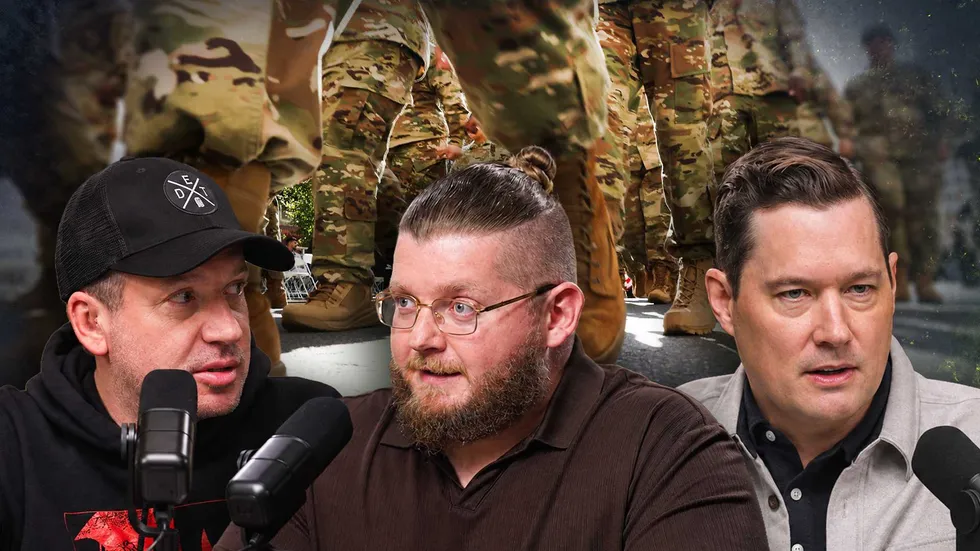
Many veterans leave the military with broken bodies and nearly empty medical records, and that gap can cost them the benefits they’ve earned — and sometimes even their lives.The problem is that many veterans can’t prove their injuries are connected to their service — not because their injuries aren’t real but because their military medical records are thin. Because seeking care from military medical staff is often stigmatized, many service members never document their injuries while they’re in the military, and so when they get out and file for VA disability, the VA often denies their claims.Lukas Simianer, founder and CEO of VetClaims.ai, aims to solve that problem. Using artificial intelligence, he’s able to fill many of those medical record gaps with research, exposure data, and injury mechanisms.On this episode of BlazeTV’s “Stu and Dave Do America,” hosts Stu Burguiere and Dave Landau sit down with Simianer to discuss how his company is helping veterans fight for the benefits they’ve earned. - YouTubeSimianer tells Stu and Dave that his passion for helping veterans get the benefits they’ve earned is deeply personal.“I’m a Purple Heart recipient. I was wounded in Afghanistan in 2012 … and I had no idea when I got out how to even access these benefits or what benefits I was owed or what I had earned,” he recounts, “and, you know, unfortunately that leads to a disproportionate amount of veteran suicide.”After successfully navigating his own VA claims, Simianer found himself in the technology industry. Eventually, he realized the veterans benefits market was in need of a “digital transformation.”“With AI … we help fill in the gap where most veterans can’t connect their injuries to service because the records are so sparse. We leverage all the mechanisms of wounding, the exposures, the research. We tile that in together and help the veteran substantiate their claim,” Simianer explains.Despite “pushback” and even lawsuits, he says VetClaims.ai has been enormously successful.“We’ve got 80,000 success stories in two years,” Simianer says.He gives the example of one Vietnam veteran his company helped who was exposed to Agent Orange and left with a wound that never properly healed after his truck hit a landmine and a seat spring shot through his body. But because the veteran’s base wasn’t on the VA’s list of locations that qualify for Agent Orange benefits, the VA denied his claims for 40 years.VetClaims.ai, however, was able to find the proof he needed by digging through old records and research. Once the VA saw it, it approved his claim and paid him more than $300,000 in back pay.“Had he gone through one of the lawyers, they would have taken 30% of that. We cost 1,200 bucks, and that was to me, that was the biggest change of generational lives,” Simianer says.To hear more, including Simianer’s push to make members of Congress get their health care at the VA, watch the episode above.Want more from Stu and Dave?To enjoy more of Stu and Dave's lethal blend of wit, humor, and insightful commentary subscribe to BlazeTV — the largest multi-platform network of voices who love America, defend the Constitution, and live the American dream.
TL;DR
- Many veterans have incomplete military medical records, making it difficult to prove service-related injuries and claim VA benefits.
- Lukas Simianer founded VetClaims.ai to address this issue using AI to supplement missing medical documentation.
- The company analyzes injury mechanisms, exposure data, and research to help veterans substantiate their claims.
- VetClaims.ai has reported 80,000 success stories in two years, including a Vietnam veteran who received over $300,000 in back pay.
- Simianer, a Purple Heart recipient, was motivated by his own difficulties accessing veteran benefits after being wounded in Afghanistan.