Argentina just ripped up its pioneering glacier law. What does this mean for millions of people’s drinking water?
Javier Milei’s reforms to the law will open up high-altitude areas to mining and risk water reserves already strained by the climate crisis, say activists
TL;DR
- Argentina has reformed its glacier law, allowing development in high-altitude areas previously protected.
- The reform aims to attract foreign investment in mining for critical minerals needed in the energy transition.
- Environmentalists and activists warn the changes threaten water reserves and fragile ecosystems.
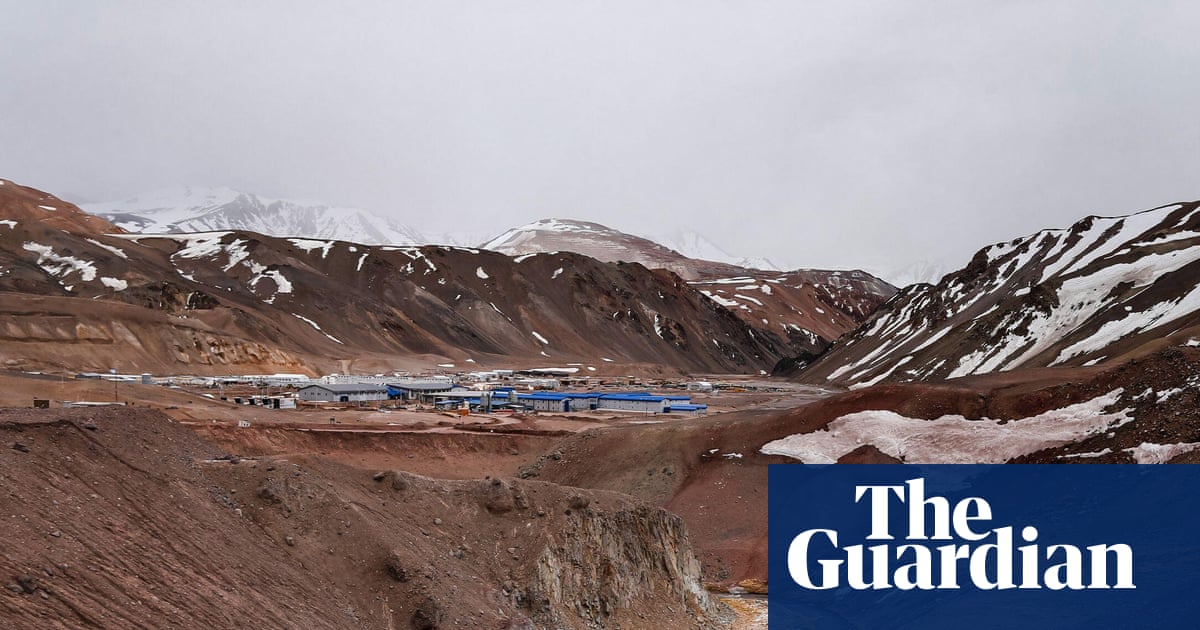
- Past cyanide spills from the Veladero mine have raised concerns about water contamination in the region.
- The new law allows provincial authorities to decide which glaciers are protected based on their 'water function'.
- Protests have occurred, with activists detained during demonstrations.
- About 7 million Argentinians, or 16% of the population, live in areas dependent on glaciers.
- Glaciers have shrunk significantly in Argentina's northwest, with scientists reporting a 17% decrease in the past decade.
- Mining companies have previously challenged the glacier law, but their legal challenges were rejected.
- The reforms are seen by some as a political decision about resource management rather than a technical one.