Iran’s willingness to escalate this high-stakes war is its greatest weapon
Regime will do whatever it takes to cling on to power – including sacrificing economies of other Gulf states
TL;DR
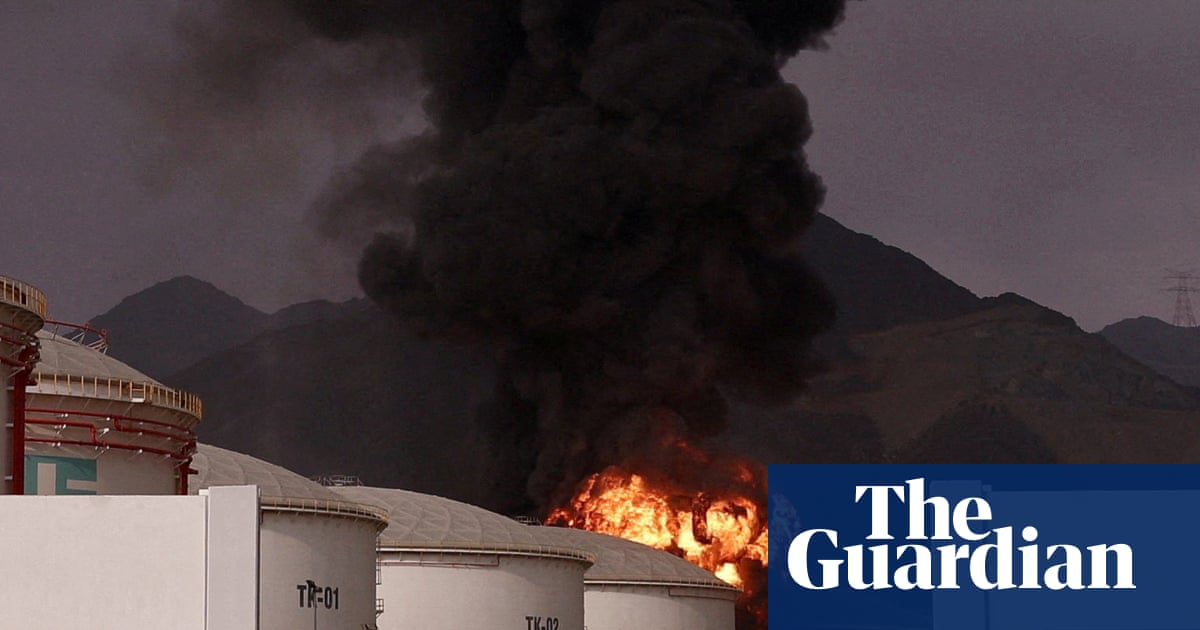
- The Iran war has resulted in substantial economic costs for the US and the Gulf states, with oil prices soaring and energy facilities damaged.
- Iran's regime, facing internal pressure, has warned of regional retaliation if attacked, a threat seemingly underestimated by US President Donald Trump.
- The regime's willingness to escalate, potentially targeting desalination plants, is seen as its greatest weapon, creating an asymmetric advantage of fear.
- European leaders are concerned about recession and refugee influxes, while Trump is frustrated with their perceived inaction.
- Disagreements between the US and Israel over targets and objectives are straining alliances, particularly with Gulf states.
- Three potential outcomes for the conflict are identified: Iran's capitulation, Trump's unilateral declaration of victory, or a peace agreement.
- The assassination of Ali Larijani, an Iranian security chief, is seen by some as setting back chances for peace.
- A de-escalation leading to peace, possibly through a regional non-aggression treaty and nuclear transparency, is presented as a final option.
- Trust between Iran and the Gulf states has been shattered, suggesting continued destruction.
- The conflict is highlighting a divergence in objectives between the US and Israel, causing issues with Gulf states.