How Trump Officials Created 'Nuclear Option' Against Protesters in Church
Critics say administration has overstepped authority in using 1994 law to prosecute protesters and journalists
TL;DR
- Dozens of protesters disrupted a church service in St Paul, Minnesota, demanding the resignation of a pastor leading a local ICE field office.
- The incident led to the indictment of 39 people, including former CNN anchor Don Lemon, on charges of conspiracy and interfering with the first amendment rights of worshipers.
- Critics argue the Trump administration is overstepping its authority by using the 1994 Freedom of Access to Clinic Entrances (Face) Act to prosecute protesters and journalists in houses of worship.
- The Face Act, originally intended to protect abortion clinics, has been expanded by the Trump administration to target pro-Palestine and anti-ICE protests at religious sites.
- Several states have introduced legislation to penalize disruptions at religious services, including creating protest-free buffer zones.
- Pro-Palestinian activists protested an event at a New Jersey synagogue, leading to the first known use of the Face Act against a demonstration at a place of worship.
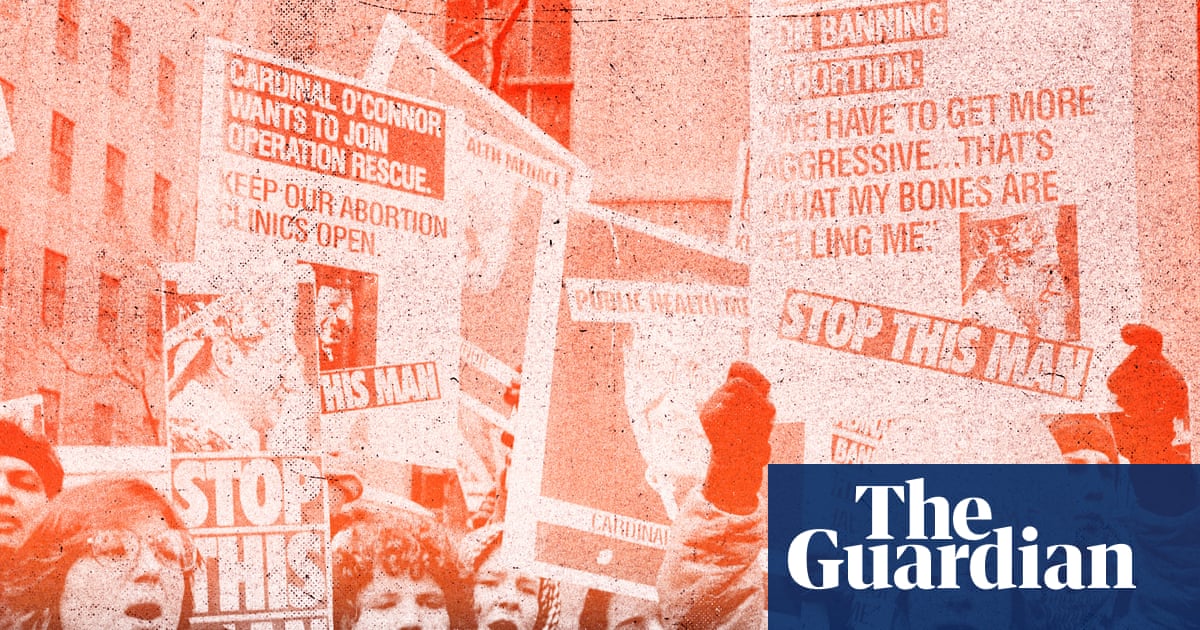
- Historical examples of civil disobedience in religious spaces include Rev. D Douglas Roth's actions in 1984 and the 'Stop the Church' protest at St. Patrick's Cathedral in 1989.
- Concerns are raised that using the Face Act, with its extreme penalties, is a 'nuclear option' compared to standard trespassing laws.
- Debate continues on balancing the right to protest with the protection of religious freedom and the right to worship without disruption.