Who Is Black Comedy For?
A new book is nostalgic for the '90s. But the era of crossover success was not necessarily the pinnacle of Black comedic achievement.
TL;DR
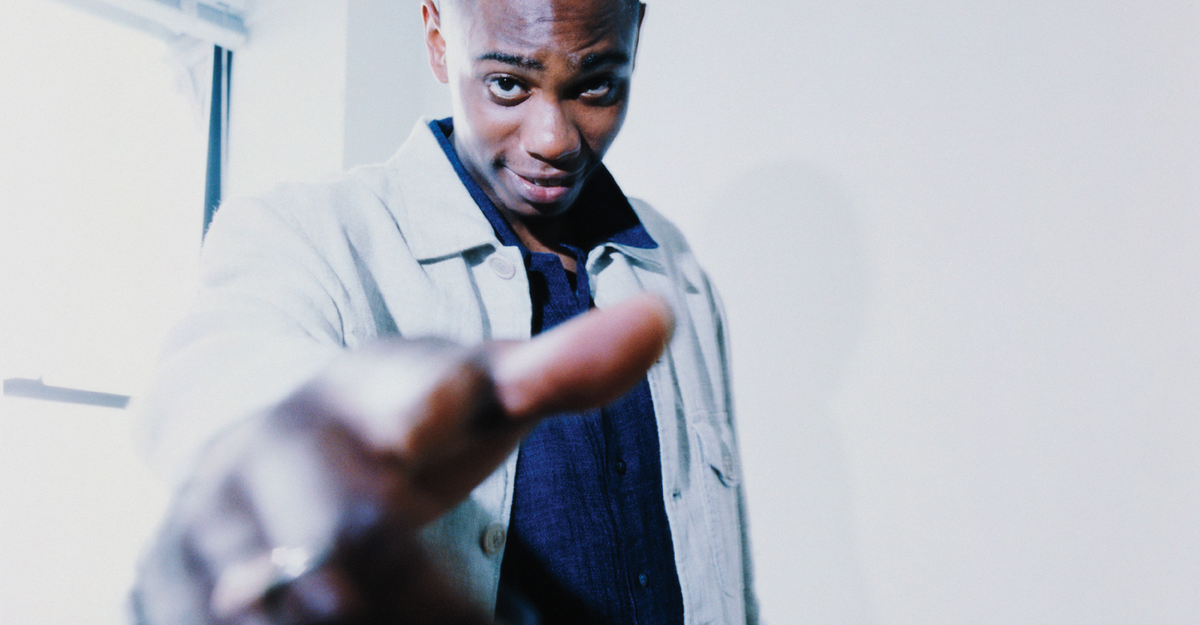
- Dave Chappelle's early sitcom pitch to Fox in 1998 was rejected for not being 'universal' enough, highlighting network pressure for Black shows to appeal to white audiences.
- The success of 'Chappelle's Show' demonstrated that uncompromised Black comedy could achieve broad appeal, contrary to the earlier network demands.
- Geoff Bennett's book, 'Black Out Loud,' chronicles the history of Black comedy, emphasizing a 'steady march toward fearlessness' and crossover appeal.
- The article critiques Bennett's focus on mainstream success, arguing that comedy thriving within Black audiences on its own terms is also a vital measure of achievement.
- The historical progression of Black comedy involved overcoming stereotypes, with figures like Richard Pryor and Dave Chappelle pushing boundaries.
- The article questions whether crossover appeal, exemplified by '90s sitcoms, represents the apex of Black comic achievement or if comedy primarily serving Black audiences is more revolutionary.
- Comedians like Dick Gregory argued that Black entertainers are often burdened with the expectation of social change, a pressure not typically placed on white comedians.
- The current landscape includes Chappelle's controversies, network limitations, fragmented audiences, and a political climate that affects how racial humor lands.
- The article suggests that the true legacy of revolutionary Black comedy might lie in shows that primarily serve Black audiences, citing examples like 'Tyler Perry's House of Payne.'