An End to U.S. Military Aid to Israel May Be Closer Than You Think
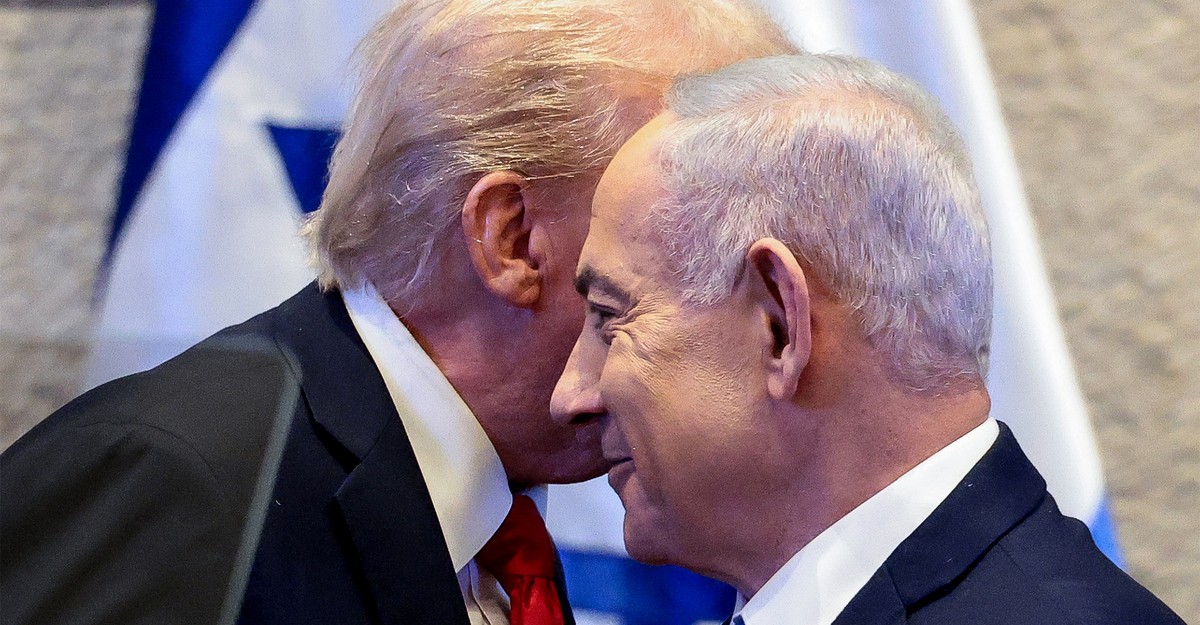
Benjamin Netanyahu’s decision to walk away from U.S. assistance says a lot about the shifting dynamics.
TL;DR
- Israeli Prime Minister Benjamin Netanyahu proposed ending U.S. military aid to Israel, transitioning to a strategic partnership over the next decade.
- President Trump initially expressed surprise but later supported the idea, aligning with his administration's desire to reduce foreign aid and shift military burdens.
- The proposal reflects Israel's growing economic and military strength, suggesting it can now afford its own defense.
- Changing U.S. public opinion, with declining support for Israel, particularly among Democrats and young voters, is a key factor.
- Netanyahu faces domestic pressure from far-right coalition members to lessen U.S. reliance, which they view as constraining Israeli decision-making.
- The U.S. has provided substantial military aid to Israel since 1948, totaling over $300 billion adjusted for inflation.
- Recent years have seen fracturing consensus in Congress regarding aid, especially after the October 7th attacks and the subsequent Gaza conflict.
- Biden administration policies attempted to balance support for Israel with concerns over civilian casualties, leading to compromises that satisfied neither side.
- Netanyahu's initiative could be a preemptive measure to manage potential future aid restrictions or refusals.
- Key figures like Marco Rubio and potentially Mike Huckabee and a top Rubio aide are involved in discussions about the future of the U.S.-Israel security relationship.
- Critics like Yair Lapid dismiss the plan as electioneering, while former Ambassador Daniel Shapiro warns of reduced U.S. leverage and regional instability.
- The future of the relationship hinges not just on aid but on arms sales and security commitments, which may also face increased scrutiny.