Trading the turban for a crown won't fix Iran
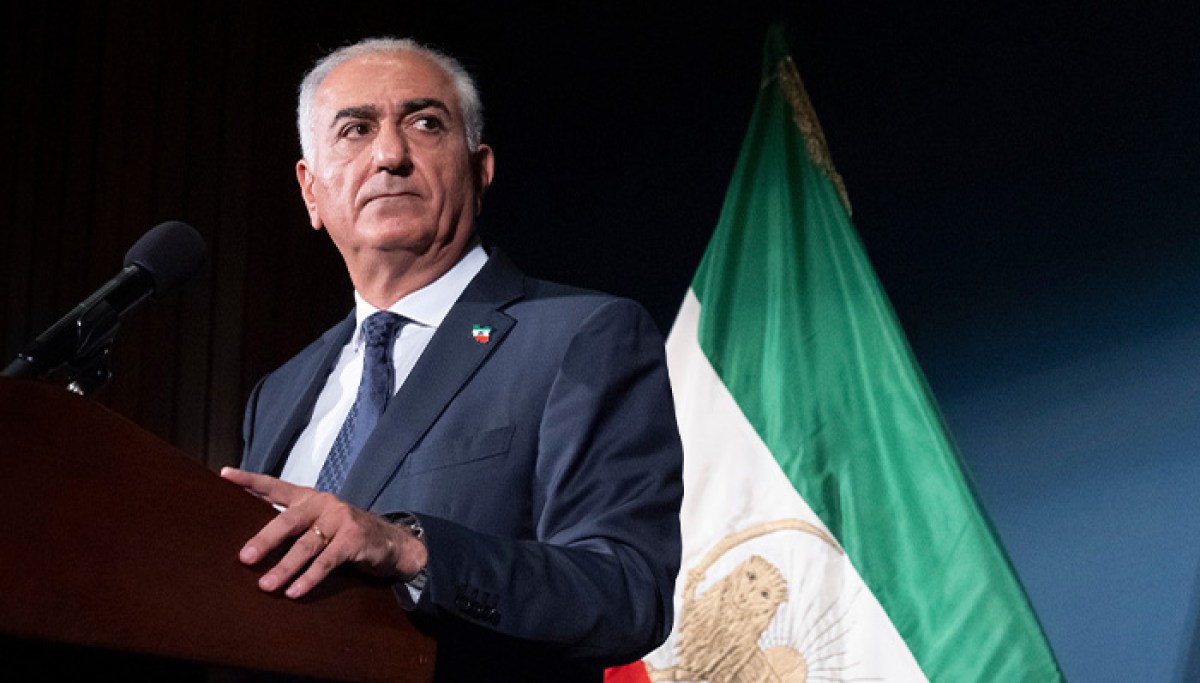
As the clerical regime in Tehran faces a deepening crisis of legitimacy, a familiar figure has reemerged in Western policy debates: Reza Pahlavi, the son of the late shah.
TL;DR
- Reza Pahlavi, son of the late shah, is being considered in Western policy debates as an alternative to Iran's current clerical regime.
- Many Iranians, especially ethnic minorities like Kurds, Balochs, and Azeris, fear that a Pahlavi restoration could lead to renewed internal conflict and a return to political repression.
- The Pahlavi legacy is associated with forced centralization and repression, including the crushing of the Kurdish Republic of Mahabad and the actions of the SAVAK security apparatus.
- Reza Pahlavi's rhetoric on federalism and linguistic rights risks echoing the current regime's 'separatism' narrative.
- A unified and stable Iran requires a modern social contract that recognizes regional diversity, not coercion or royal decree.
- From a realpolitik perspective, Pahlavi lacks practical regional leverage and executive governing experience.
- Replacing religious autocracy with secular monarchy risks perpetuating concentrated power and destabilizing Iran.
- A sustainable transition should lead to a democratic republic where sovereignty rests with citizens.