From Bush Sr to Trump: the risks, lessons and legacy of US interference in the Middle East
While there are similarities with the wars against Iraq, the Iran conflict may prove to be the most dangerous and consequential yet
TL;DR
- The US has a history of military intervention in the Middle East, with each conflict often leading to unintended consequences and increased regional instability.
- The first Gulf War (1990-91) had a defined scope but left a legacy of Kurds and Shia Muslims being abandoned by the US, and led to a significant US military presence in the region.
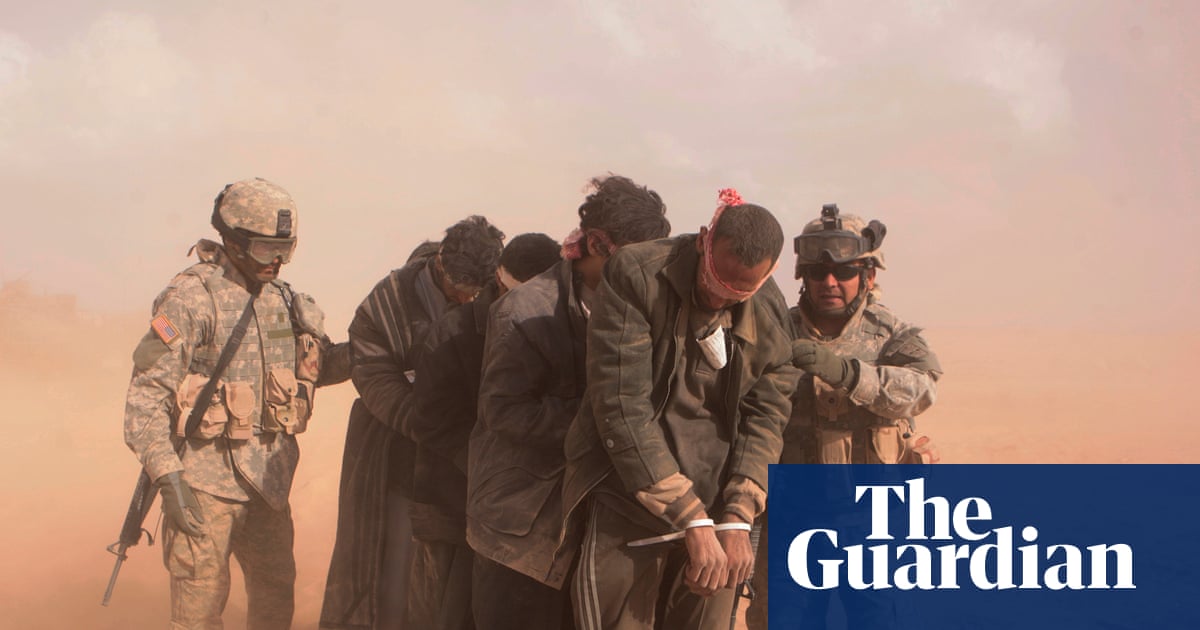
- The second Gulf War (Iraq War, 2003-11) was based on flawed intelligence about WMDs, and despite initial optimism, resulted in chaos, the rise of terrorism, and significant loss of life.
- The current US approach to Iran under the Trump administration is characterized by confusion, contradictory justifications, and a lack of transparency, raising concerns about potential catastrophic outcomes.
- Interventions aimed at regime change have repeatedly failed to anticipate the ensuing chaos and the difficulty of establishing stable societies, potentially leading to failed states and further conflict.