The Lecture I Couldn’t Give
Now more than ever, our armed forces need to understand the history of civil-military relations.
TL;DR
- Dr. Kori Schake was disinvited from a lecture at the Air War College, an event previously confirmed and praised.
- A spokesperson cited a revised academic schedule due to the government shutdown as the reason, calling it a 'command decision'.
- The author speculates the decision might be political, referencing recent Defense Department actions to exclude individuals and control content in professional military education for ideological reasons.
- The history of U.S. civil-military relations is crucial, especially as recent administrations have blurred the lines between politics and the military.
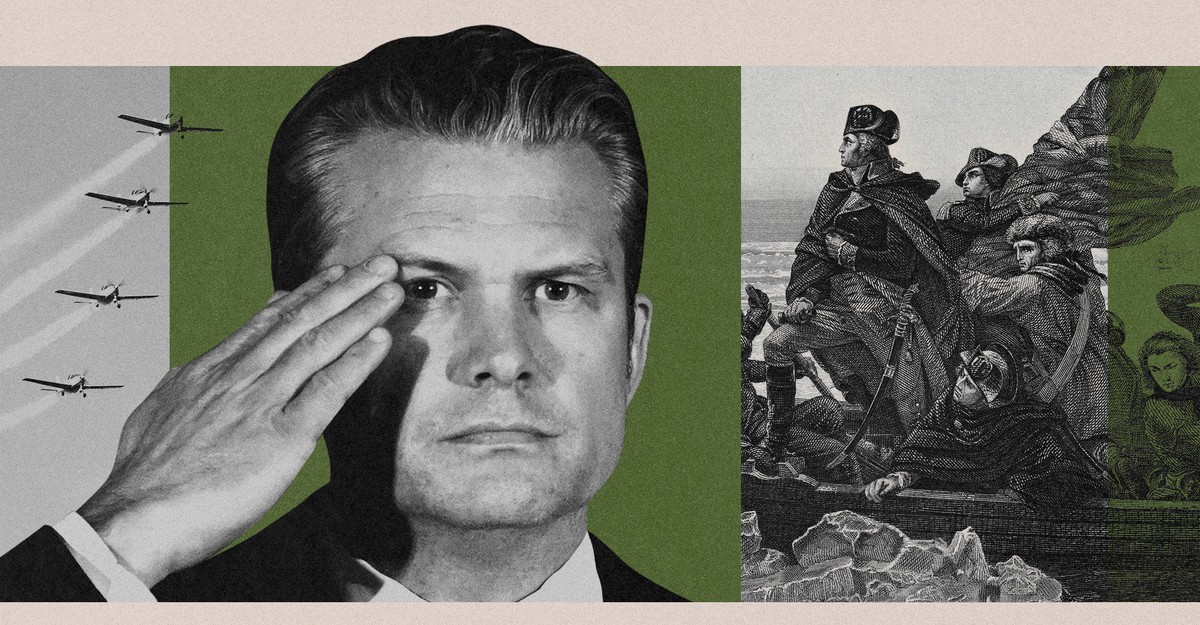
- The Founding Fathers feared a standing army, but George Washington's leadership established a norm of military deference to civilian control.
- Key historical developments include the Constitution's provisions, congressional restraints on executive power, and the Posse Comitatus Act restricting military use in domestic law enforcement.
- While historical instances of military officers challenging civilian authority exist, they did not involve armies threatening the government.
- Modern frictions often involve civilian leaders pushing military boundaries or using the military for political legitimacy.
- The military's resistance to politicization relies heavily on its professionalism, but prolonged political entanglement could erode this immunity.