How Iran transformed from a theocracy to a military-led dictatorship
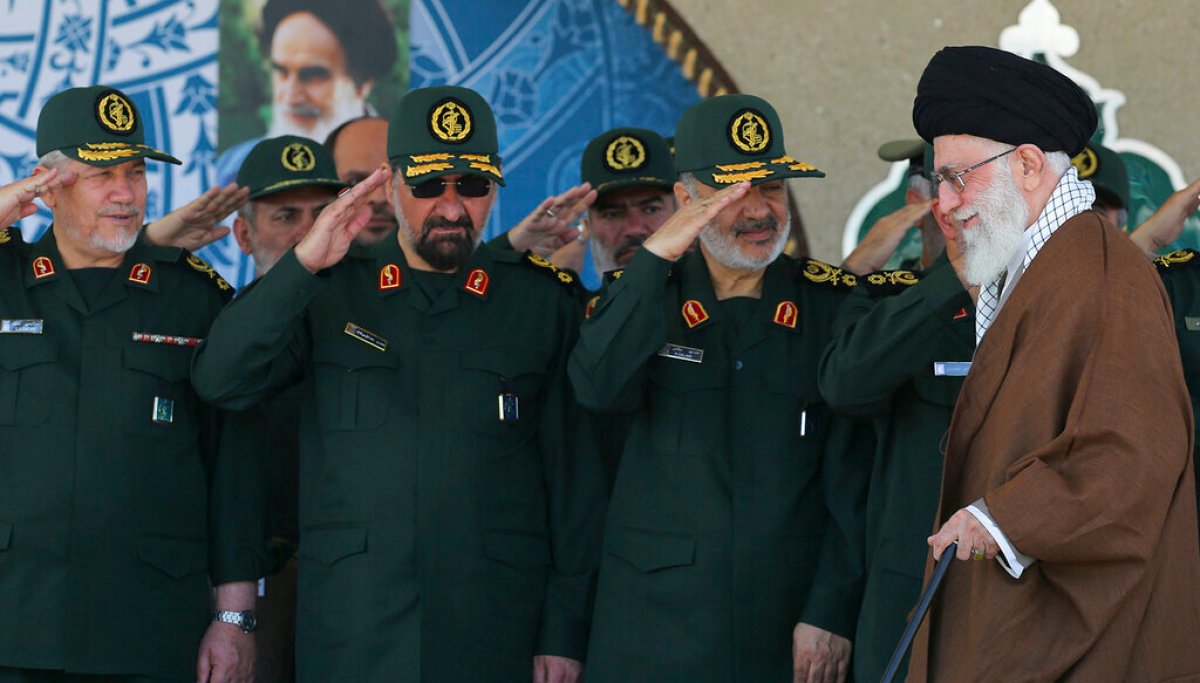
The accession of Ayatollah Mojtaba Khamenei in early March completed a decades-long process, solidifying the transformation of the Islamic Republic of Iran from a theocracy into a de facto military dictatorship.
TL;DR
- The Islamic Republic of Iran has transformed from a theocracy into a de facto military dictatorship, with the Islamic Revolutionary Guard Corps (IRGC) now holding de facto rule.
- The IRGC's power grew over decades through political maneuvering, economic expansion, and suppression of internal dissent, especially after Supreme Leader Ayatollah Ali Khamenei used it to secure his own power.
- The IRGC's economic might expanded through reconstruction projects after the Iran-Iraq War and by bypassing the National Iranian Oil Company due to U.S. sanctions.
- The IRGC's involvement in foreign conflicts in Iraq, Syria, Lebanon, and Yemen significantly boosted its political, economic, and military power.
- Domestic protests, particularly those in 2009, 2019-2020, and 2022-2023, were brutally suppressed by the IRGC, leading to a complete reliance on the Guards for the regime's survival.
- Presidential elections have been neutered, with the IRGC cracking down on reformist factions, reducing the influence of elected officials like President Masoud Pezeshkian.
- The U.S.-Israeli war, while confirming the IRGC's hold on power, also reduced the likelihood of a sudden IRGC coup, leading to a power-sharing arrangement.
- Experts predict the IRGC's ideology may shift towards greater Iranian nationalism and potentially more personal freedoms, while maintaining hardline characteristics and focusing on national security and rivalry with the U.S. and Israel.