If You Want a Better World, Act Like You Live in It
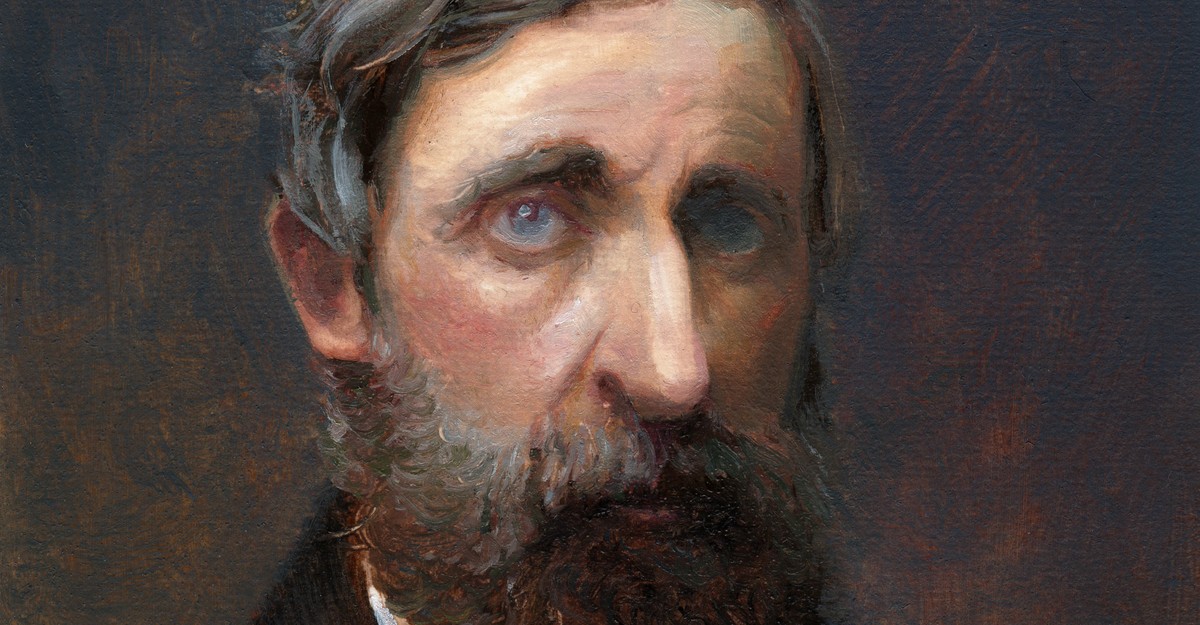
We’ve had Henry David Thoreau the environmentalist, the libertarian, the life coach. To understand his influence, think of him first as a dissident.
TL;DR
- Henry David Thoreau was jailed for refusing to pay his poll tax, viewing it as complicity with a government that supported slavery.
- He is characterized as a dissident, similar to those who resisted dictatorships and unjust systems globally.
- Thoreau's 'Civil Disobedience' essay, inspired by his jail experience, became a guide for avoiding complicity with injustice.
- His philosophy emphasizes individual conscience and acting on principles, even if it means living 'as if' in a different, better society.
- The concept of living 'as if' free, even under oppression, is compared to the actions of Soviet and Eastern European dissidents.
- Thoreau's support for John Brown, an abolitionist, further solidifies his image as a radical figure willing to challenge the status quo.
- Critics have labeled Thoreau as self-obsessed or arrogant, while supporters argue his individualism enabled his moral stance.
- Thoreau's relevance lies in his insistence that individuals have the power to unmake and remake the world through their actions.
- His idea of 'anticipatory consciousness' suggests an ability to perceive and act towards a more just future, even when it is not yet realized.