The Film That Explains Contemporary America
The Sorrow and the Pity has lessons for how authoritarianism takes root—and how to fight against it.
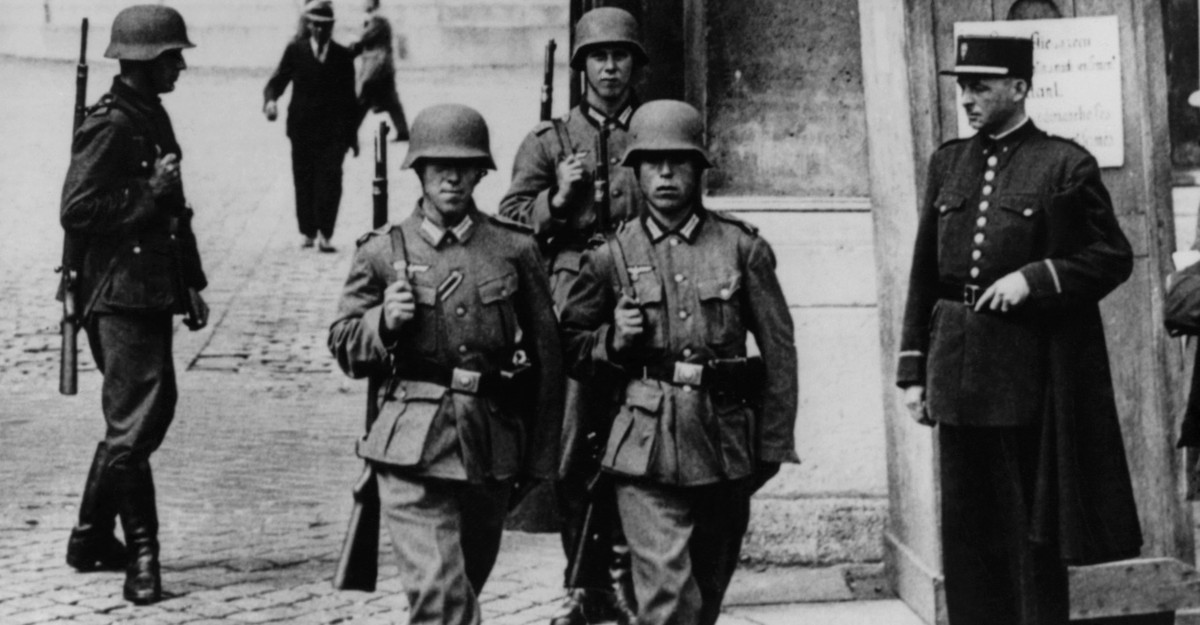
TL;DR
- Marcel Ophuls's 1969 documentary 'The Sorrow and the Pity' is a powerful examination of life in Nazi-occupied France, revealing the myth of uniform resistance.
- The film explores themes of complicity, false neutrality, and the corruption of state institutions, drawing parallels to contemporary political climates.
- It highlights how old hatreds like xenophobia and anti-Semitism can be exploited by those in power to foster division.
- The documentary features interviews with Resistance leaders, collaborators, and ordinary citizens, showcasing the spectrum of responses to occupation.
- Lessons from the film suggest that authoritarianism requires acquiescence rather than widespread support, and that institutions can be co-opted to suppress dissent.
- The film touches upon the motivations for joining extremist movements, including negative polarization and the appeal of transgression.
- Restoring democracy necessitates a coalition of opponents who can set aside differences to combat fascism, though the path to justice versus coexistence remains ambiguous.